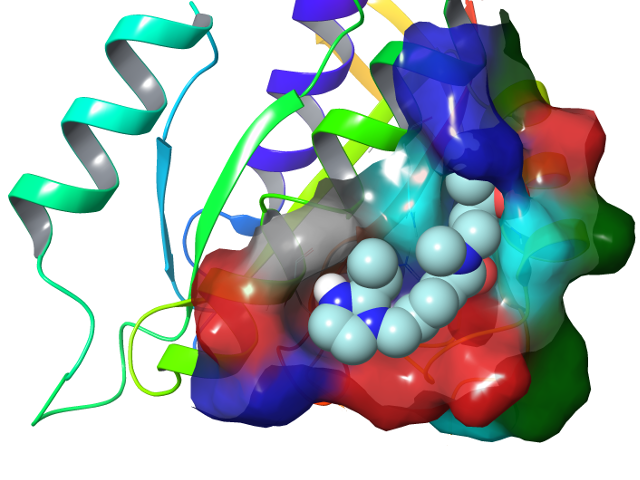
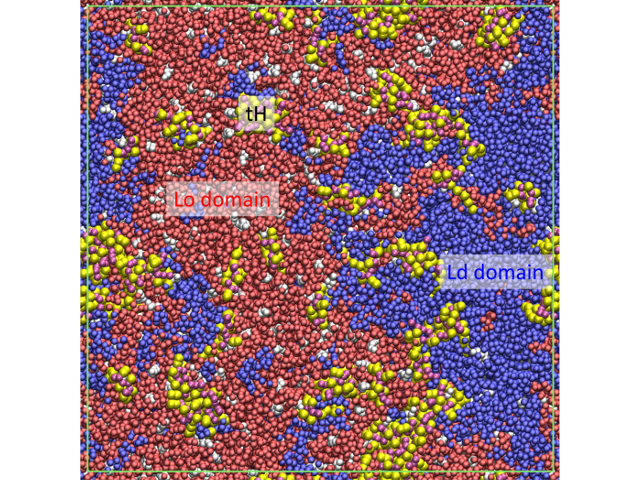
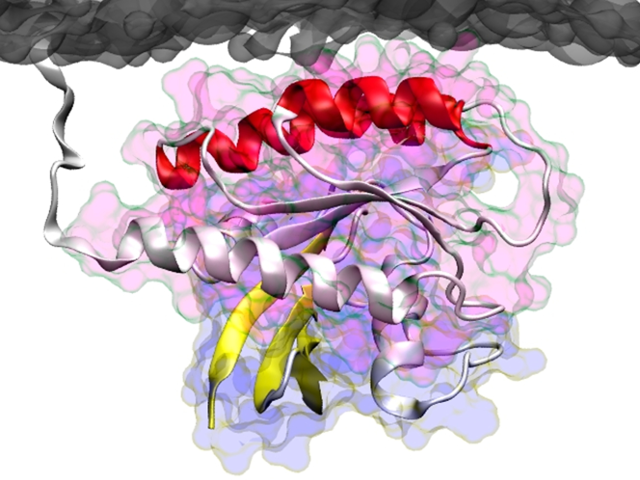
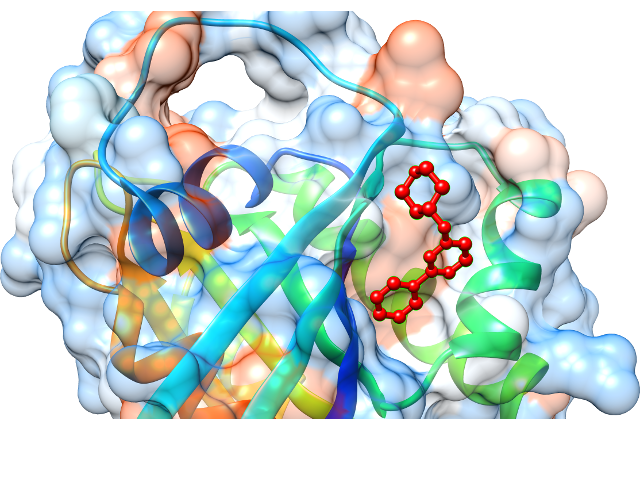
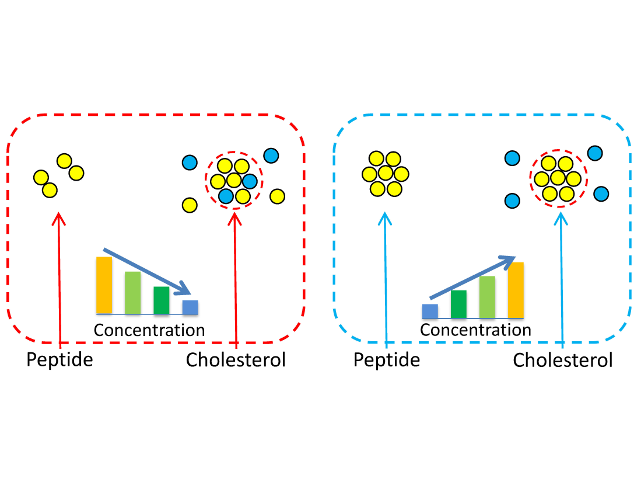
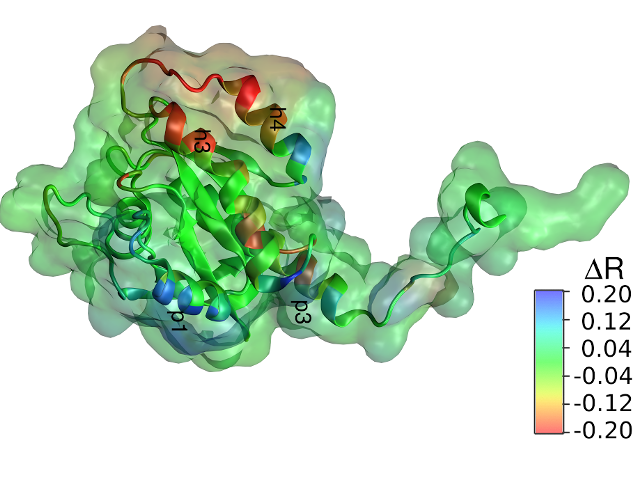
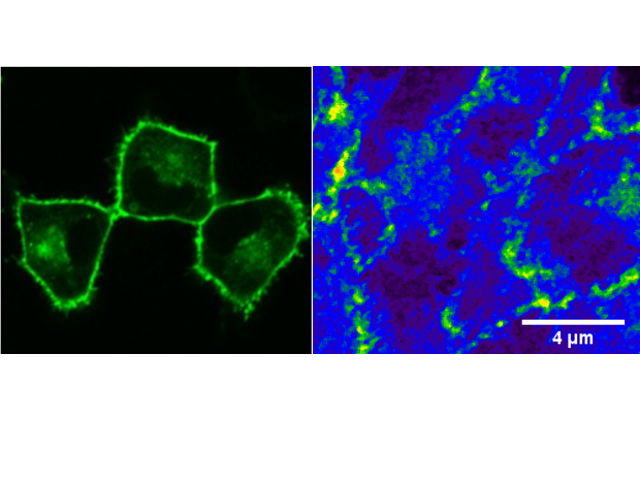
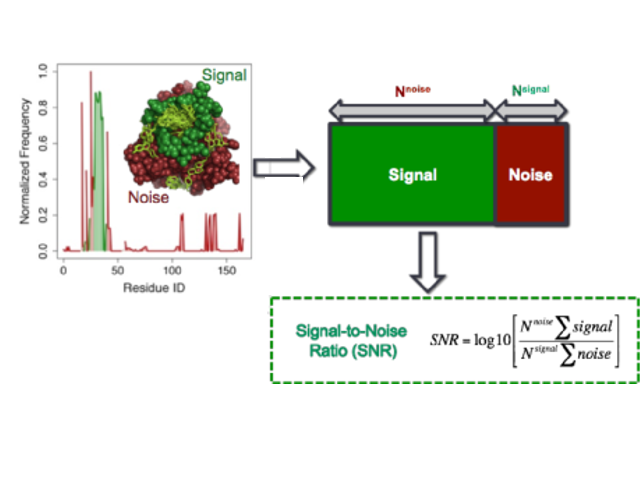
Aiming at developing new treatment modalities for unsolved health challenges, our laboratory combines computer simulations with cell biology and biophysical experiments to study the basic principles of bio-molecular function. These include such key cellular phenomena as organization of cell signaling components, interfacial interactions and allostery. Our studies encompass the atomic, molecular and supra-molecular levels of detail, with our primary focus being the Ras family of lipid-modified enzymes that regulate a variety of cell signaling pathways. We work towards elucidating how dynamics and lateral distribution of Ras and related G-proteins at membrane surfaces regulate signaling events, and leverage insights from our basic research to design novel anti-cancer drugs. Other interests of the group include membrane biophysics, transient signaling complexes, and partitioning of specific drugs into membranes.